

PET and PP are the two dominant strapping materials. They look similar on a roll, but they behave very differently under tension — and picking the wrong one is the most common cause of weak joints and broken bands. This guide gives you the practical differences, so you can match the band to your load and your tool.
Quick answer
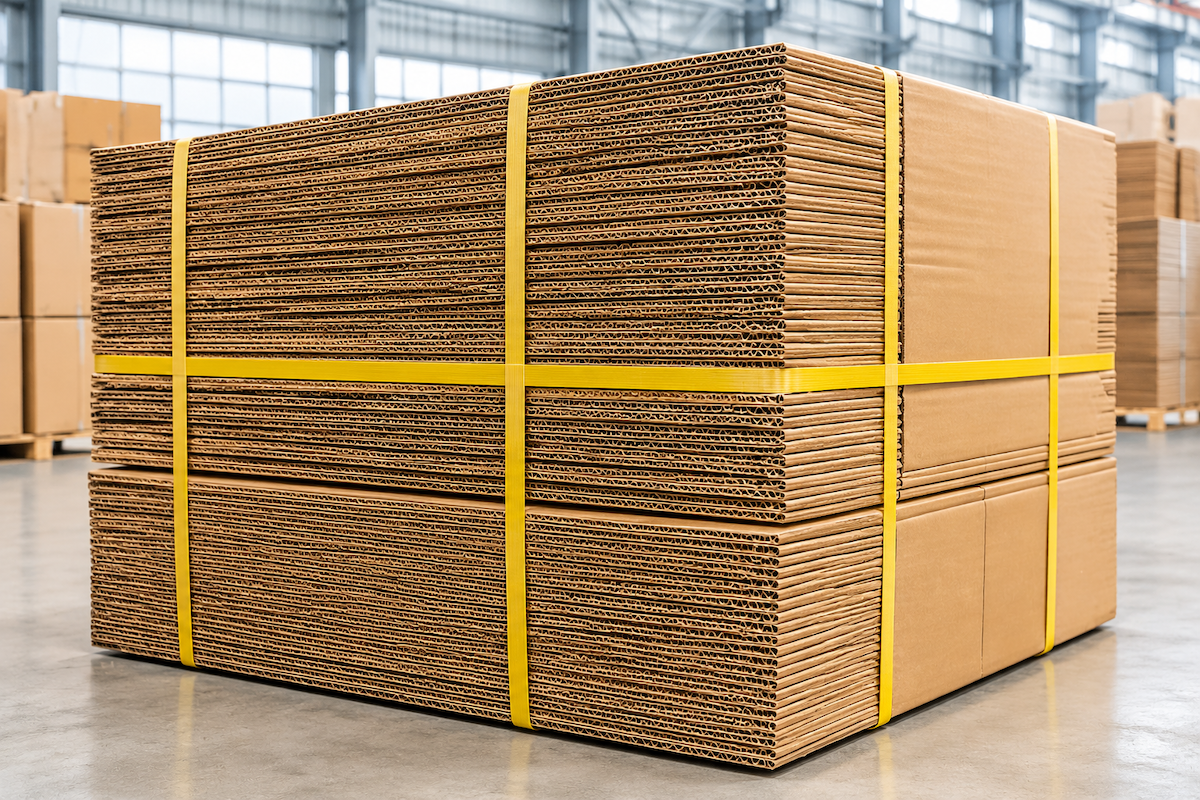
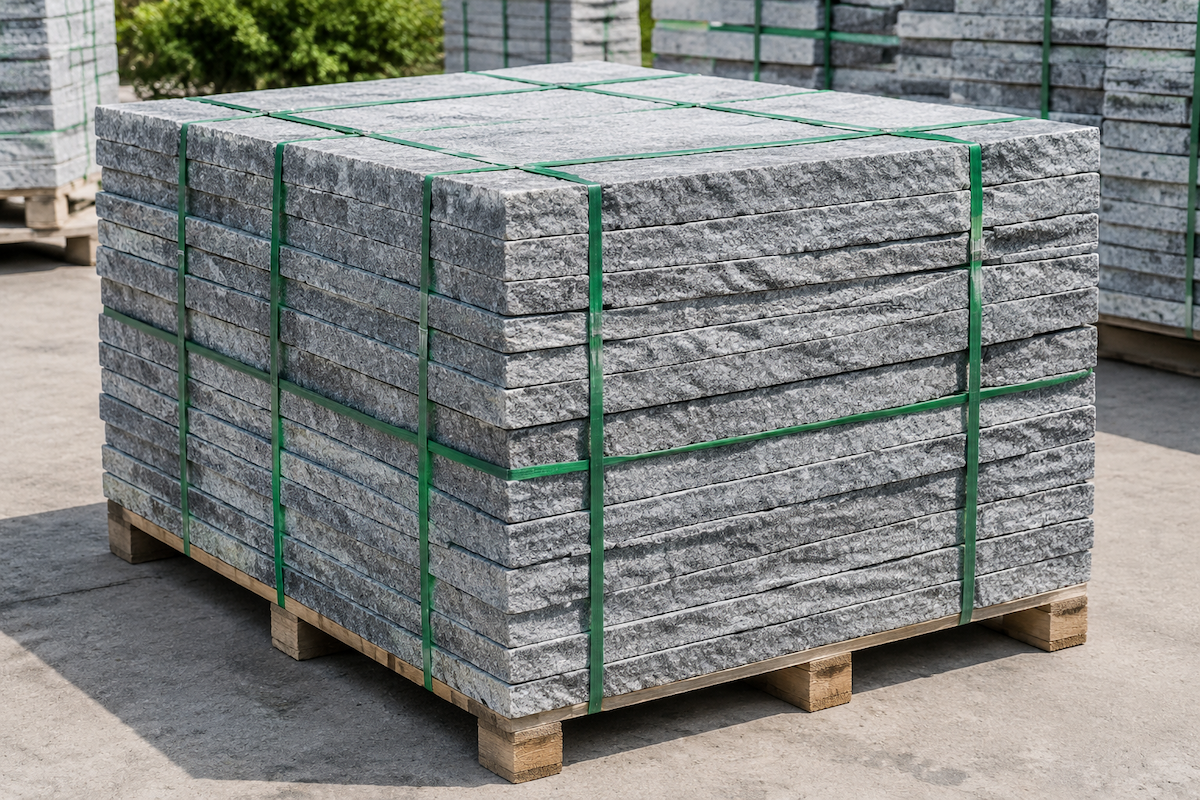
Use PET for heavy, rigid loads (steel, brick, timber, stone) that need high retained tension. Use PP for lighter, compressible loads (cartons, light bundles) where cost matters more than ultimate strength. Both work with AECSORIX battery tools in the 13–19 mm range.
Material differences
PET strapping
Polyester (PET) has high tensile strength and excellent tension retention — it stays tight even if the load settles during transport. It is the right choice for steel coils, lumber and pavers. PET needs a tool capable of high tension to make a reliable friction-weld joint.
PP strapping
Polypropylene (PP) is lighter and cheaper, with more stretch. It suits cartons, light pallets and general bundling. Because it relaxes over time, PP is not recommended for loads that shrink or settle in transit.
Strength and specs at a glance
| Property | PET | PP |
|---|---|---|
| Tensile strength | Higher | Lower |
| Tension retention | Excellent | Moderate |
| Elongation | Low | Higher |
| Typical use | Steel, timber, brick, stone | Cartons, light bundles |
| Cost | Higher | Lower |
Matching the band to your tool setup
AECSORIX battery strapping tools accept 13–19 mm PET and PP with 0.5–1.2 mm thickness, and tension is adjustable from 600 to 3500 N. For PET on rigid loads, run higher tension (typically 2000–3500 N depending on band width) so the friction weld reaches around 75% of the band’s own strength. For PP, use lower tension and confirm the joint by hand before a full run.
Not sure which band you are buying? Send us a photo of the roll label and your load, and we will confirm the right tension setting.
Cost per pallet, not cost per metre
PET costs more per metre, but a narrower 13 mm PET band can often replace a wider PP band at the same joint strength. Compare cost per secured pallet rather than roll price — the better band frequently works out cheaper once breakage and rework are counted.
Frequently asked questions
Can one tool handle both PET and PP? Yes. The same tool works with both materials; you only change the tension setting.
What width should I choose? 13 mm for light to medium loads, 16–19 mm for heavy rigid loads. See our width guide for detail.
Do you supply the strap as well? We supply tools and spare parts; tell us your strap specification and we confirm compatibility before you order.
{“@context”:”https://schema.org”,”@type”:”FAQPage”,”mainEntity”:[{“@type”:”Question”,”name”:”Can one tool handle both PET and PP?”,”acceptedAnswer”:{“@type”:”Answer”,”text”:”Yes. The same tool works with both materials; you only change the tension setting.”}},{“@type”:”Question”,”name”:”What width should I choose?”,”acceptedAnswer”:{“@type”:”Answer”,”text”:”13 mm for light to medium loads, 16-19 mm for heavy rigid loads.”}},{“@type”:”Question”,”name”:”Do you supply the strap as well?”,”acceptedAnswer”:{“@type”:”Answer”,”text”:”We supply tools and spare parts; tell us your strap specification and we confirm compatibility before you order.”}}]}
Still deciding? Send your strap material, width and load to AECSORIX for a quote, or WhatsApp us at +86 13606818153. We reply within 12 working hours.